
Restorative dentistry
Tooth fillings and root canal treatment in Daylesford
Repairing decay and damage, while keeping as much of your natural tooth as possible.
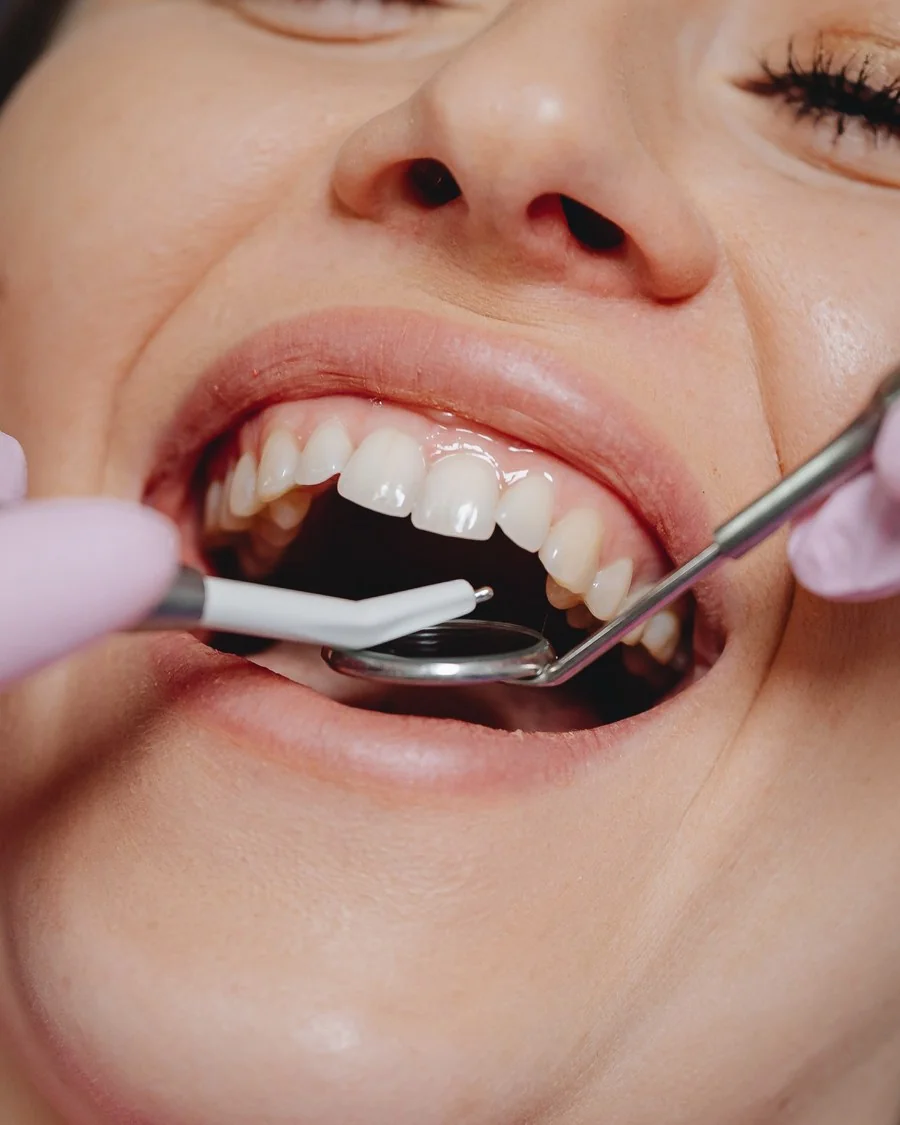
A filling repairs a tooth that has a cavity, a chip or wear. It removes the damaged part, seals the tooth and restores its shape so you can bite and chew comfortably again. We use tooth-coloured materials that blend in with your natural teeth, and we keep as much healthy tooth as we can. Fillings are done at our clinic on Vincent Street, Daylesford.
- Mon–Fri, 9 am – 5 pm
- Claim on the spot with HICAPS
- CDBS for eligible children
The basics
What is a cavity?
A cavity is a hole in a tooth caused by tooth decay. Bacteria in plaque feed on sugars from food and drink and make acid. Over time, the acid softens and breaks down the tooth's hard outer layer (enamel). If decay isn't treated, it spreads deeper into the tooth and can reach the nerve, which can cause pain or infection.
Restorative dentistry
Signs you might need a filling
Early decay often has no symptoms, which is why regular check-ups matter. Signs to watch for include:
- Sensitivity to cold, hot or sweet food and drinks
- Pain when you bite down
- A visible hole, dark spot or stain on a tooth
- Food getting stuck in the same place
- A rough or sharp edge on a tooth
- A broken filling, or an old filling that's loose or has fallen out
The basics
Types of fillings
We'll recommend the type that suits the size and position of the cavity.
Tooth-coloured (composite) fillings, often called white fillings
Made from a resin that's matched to the shade of your tooth. They bond to the tooth and suit most front and back teeth.
Glass ionomer fillings
Tooth-coloured fillings that release a little fluoride. They're often used for baby teeth, near the gum line or as temporary fillings.
Step by step
What to expect
- 01
Check and X-ray
We confirm the size of the decay or damage. Sometimes this needs an X-ray.
- 02
Numbing
For most fillings we use local anaesthetic so you're comfortable.
- 03
Removing decay
We gently remove the decayed or damaged part of the tooth.
- 04
Filling the tooth
We place the filling material in layers, shape it to fit your bite and harden it with a special light.
- 05
Polishing
We check your bite and polish the filling so it feels smooth.
Most fillings take 30 to 60 minutes, depending on the size and number of teeth.
Aftercare
After your filling
- Wait until the numbness wears off before eating, so you don't bite your cheek or tongue.
- Some sensitivity to cold for a few days is normal.
- If your bite feels high or uneven once the numbness has gone, call us. A quick adjustment helps.
Restorative dentistry
When a filling isn't enough
If a tooth is badly broken or has a very large filling, a crown may protect it better. If decay has reached the nerve, root canal treatment may be needed to save the tooth. We'll explain your options and the reasons for each.
Restorative dentistry
Root canal treatment
If decay or a crack reaches the nerve inside a tooth, the tooth can become painful or infected. Root canal treatment removes the damaged nerve, cleans and seals the inside of the tooth, and lets you keep your natural tooth rather than having it removed.
Signs you might need a root canal include an ongoing toothache, pain when biting, sensitivity to hot or cold that lingers, a darkening tooth, or a swollen gum or abscess.
Treatment is done under local anaesthetic over one or more visits, and a back tooth usually needs a crown afterwards to protect it. As with any dental procedure, there are risks, which we'll explain before you decide. We provide root canal treatment at our clinic in Daylesford. If you think you might need a root canal, book an assessment and we'll explain your options.
Restorative dentistry
Chipped tooth repair and worn teeth
Fillings aren't just for cavities. Tooth-coloured material can also repair small chips, cover worn areas near the gum line and smooth rough edges. If teeth are wearing down from teeth grinding (bruxism), which often happens during sleep, we can make a custom night guard to protect them.
Ready to arrange an appointment?
Book online or call our friendly team on Vincent Street.
Restorative dentistry
How to help prevent decay
- Brush twice a day with fluoride toothpaste.
- Clean between your teeth every day.
- Keep sugary food and drinks to mealtimes.
- Drink tap water between meals.
- Have regular check-ups so we can find decay early.
Costs & health funds
Costs and health funds
Cost before we start
The cost of a filling depends on the size, the material and how many surfaces of the tooth are involved. We'll tell you the cost before we start.
Health funds & HICAPS
Fillings are often covered by private health insurance with dental cover, and you can claim on the spot through HICAPS.
Children & CDBS
Eligible children may be covered by the Child Dental Benefits Schedule.
01Does getting a filling hurt?
We numb the area first, so most people feel little more than pressure and vibration. Let us know if you feel anything and we'll stop.
02How long do fillings last?
It varies. Many fillings last for years, especially with good care. Large fillings and those in teeth used for heavy chewing may need replacing sooner.
03Should I replace my old silver fillings?
If they're in good condition, there's usually no need. We'll check them at your check-up and let you know if one is cracked or leaking.
04Can I eat straight after a filling?
Tooth-coloured fillings are hardened straight away, but wait until the numbness wears off before you eat.
Last updated: November 2026
Book your appointment
If you have a sensitive tooth, a lost filling or a chip, book online or call (03) 4323 2307.
We see patients from Daylesford, Hepburn Springs, Trentham, Creswick, Kyneton, Clunes, Castlemaine and other nearby towns, as well as visitors to spa country.
Unit 1/26 Vincent Street, Daylesford VIC 3460